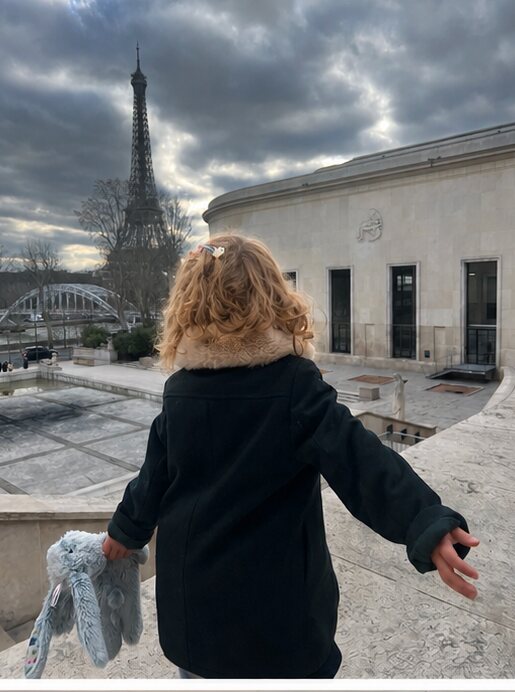
I came to Paris for a person. I met my now-husband in New York, and one day he asked me to come and visit the city he loved — and I couldn't help it, I fell for both of them. Fifteen years later I'm still here, raising a small, opinionated crêpe critic on the same streets, and the city I came to as a wide-eyed twenty-something has quietly become the place I know better than anywhere on earth.
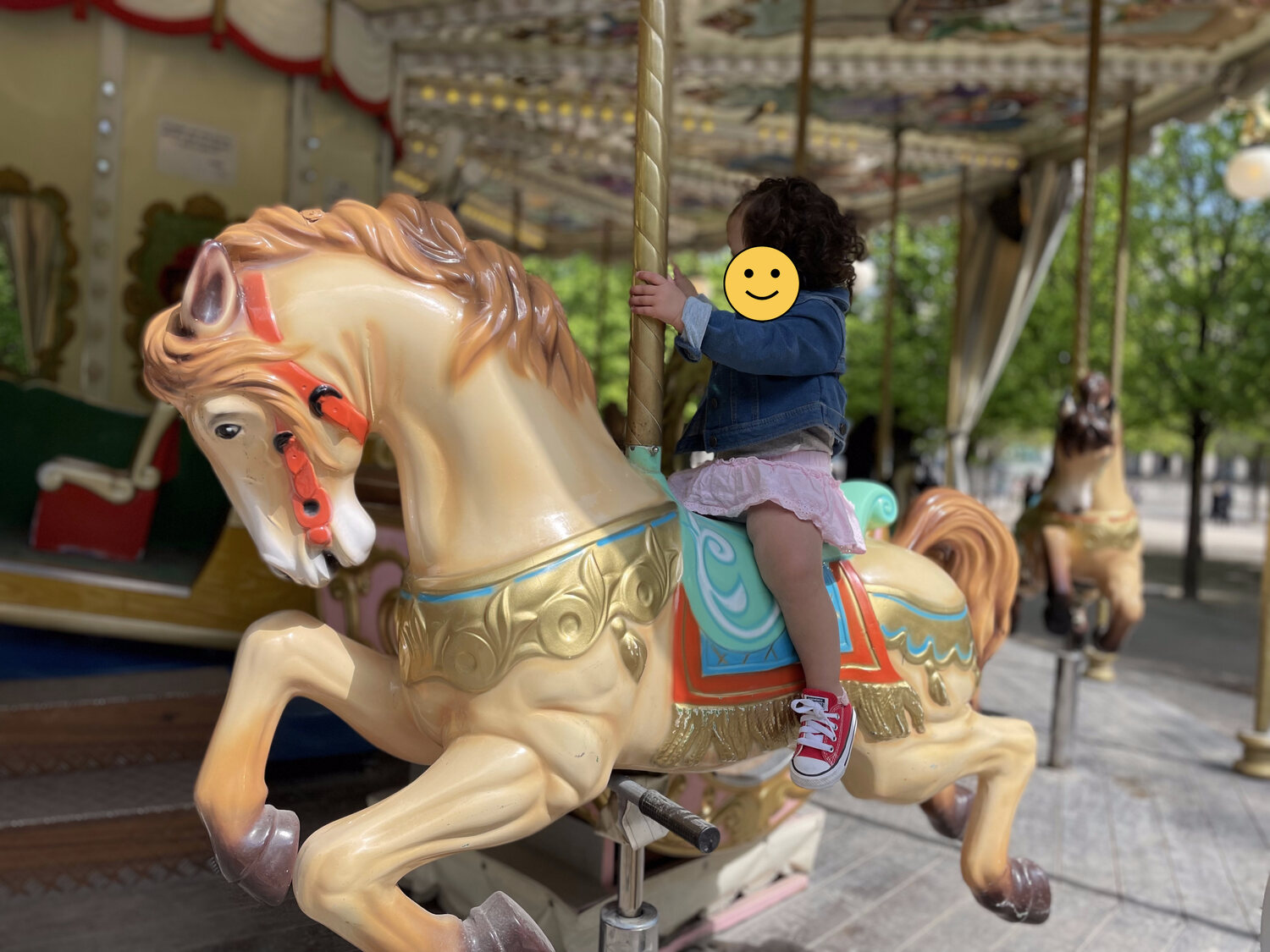
Here's the thing nobody tells you, though: Paris with a small child is not a smaller version of Paris. It's a different city entirely — one measured in fountains and pigeons and "just one more" carousel rides, with a hard ceiling of about forty-five minutes before anyone melts down in front of a masterpiece.
How my own travelling changed
My daughter and I travel a lot, and somewhere along the way I noticed my whole style had flipped. I used to chase the adventure a city would hand you — turn down the unmarked street, miss the train on purpose, see where the day went. Now I plan. I've spent literal hours researching one spot, only to arrive and realise it's hopeless with a toddler — too many stairs, a ninety-minute queue, nowhere to sit. And almost nothing I read ever told me what to avoid. Every guide is a list of things to add; nobody hands you the list of things to skip.
Even getting around changed. I used to love not knowing exactly where I was going. Now, with a child and a stroller, if I don't already know which métro exit to take or where I'm changing lines, a simple journey can tip into something genuinely stressful — and that stress lands on the whole day, not just the ride.
The mistake I watch families make
I see it constantly: a family queues for an hour at the viral bakery everyone posted about. By the time they've got the pastry, they've spent the child's entire patience budget for the day — the small, finite supply of "sit still, wait nicely, be good" that every toddler wakes up with — on a line. And in Paris of all cities, where there's a wonderful bakery every five minutes, that's the saddest possible trade.
So I choose my battles. That, it turns out, is most of the job — and the research backs it up. The meltdown almost never comes from the activity; it comes from the transitions stacked around it: the métro change, the queue, the walk that ran too long. Children can hold focus in a museum for maybe half an hour. And below about seven, they won't even keep the memory of the famous thing — what stays is the feeling: the gelato, the carousel, the afternoon with nowhere to be. So the kind thing, the smart thing, is one real anchor a day, kept in one neighbourhood, with full permission to skip the rest while everyone's still happy.
A note for American families: French manners with strangers
One thing I wish someone had prepared me for is the social temperature, because it catches visiting families off guard. The French — Parisians especially — keep a polite formality with people they don't know. It isn't coldness; it's a different idea of privacy and respect, and it's built right into the language: a stranger is addressed as vous, the formal "you," never the familiar tu. Here, a little reserve is the courtesy.
The one rule that changes everything: always say "bonjour." When you walk into a shop, a bakery, or a museum — or up to anyone behind a counter — greet them with bonjour (or bonsoir in the evening) before you ask for anything. Skipping it reads as rude; offering it unlocks the warm, helpful Paris everyone hopes for. Teach your child to say it too — a small "bonjour" from a visiting kid melts even the most formal Parisian.
The same reserve shows up at the playground. My daughter is the kind of small, sunny person who marches straight up to another child expecting an instant best friend — and French children are often taught a gentler reserve with kids they don't know. It's not a snub; it's a slower rhythm of warming up. It's worth a quiet word with your child before the trip, because the first cool reception can sting and there may be a few tears — but framed well (here, hellos and friendships start a little slower, and that's okay), it becomes part of the adventure rather than a wound.
Why I made City Story Club
What I really wanted to give people wasn't a list. It was the feeling of having a friend in Paris — one who's been everywhere with a child — hand you a single day that simply works, including the part nobody writes down: what to skip, which exit, where to sit, when to leave.
So that's what City Story Club is. I build the day around your child's age, your hotel, your pace and the week's weather, from places I've actually walked, with the backups already in place. Not forty options. One edited day, verified the month you travel, that lets you step out of planner mode and into the trip.
I still walk these streets every week, with my own small crêpe critic in tow. Every place I send you is one we've been to together. That's not a marketing line — it's just the only way I know how to do this.
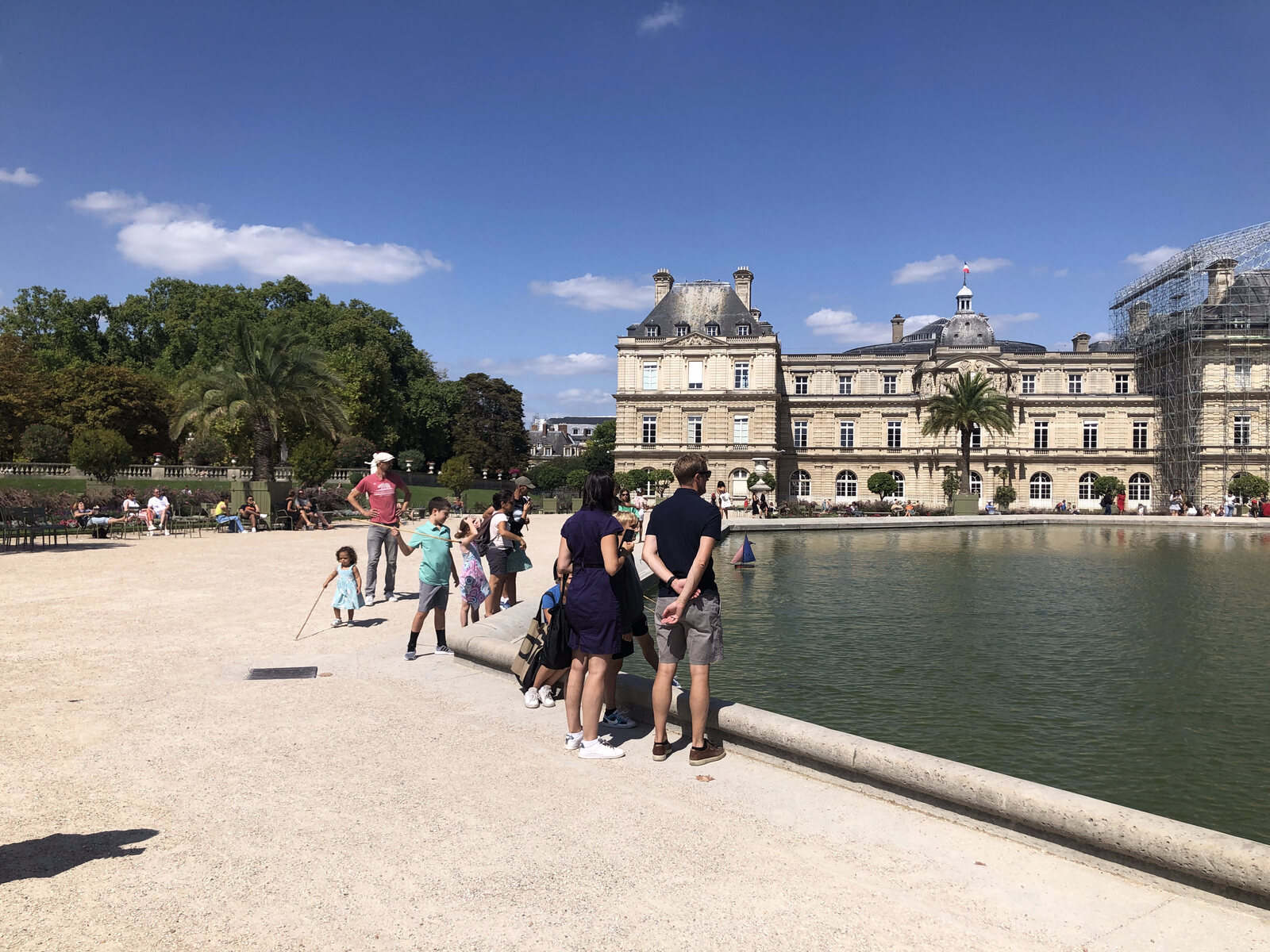
If any of this sounds like the trip you're trying to plan, I'd love to make you a day. And if you just want to see how it feels first, the sample day is free — no strings, just a real Left Bank morning, laid out start to finish.

Want a day like this, made for your family?
Tell me about your trip and I'll build your days around your child, your hotel and your pace. Start with the free sample to see exactly how it comes together.
See the free Sample Edit